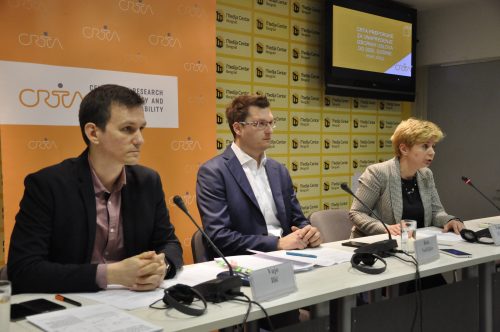



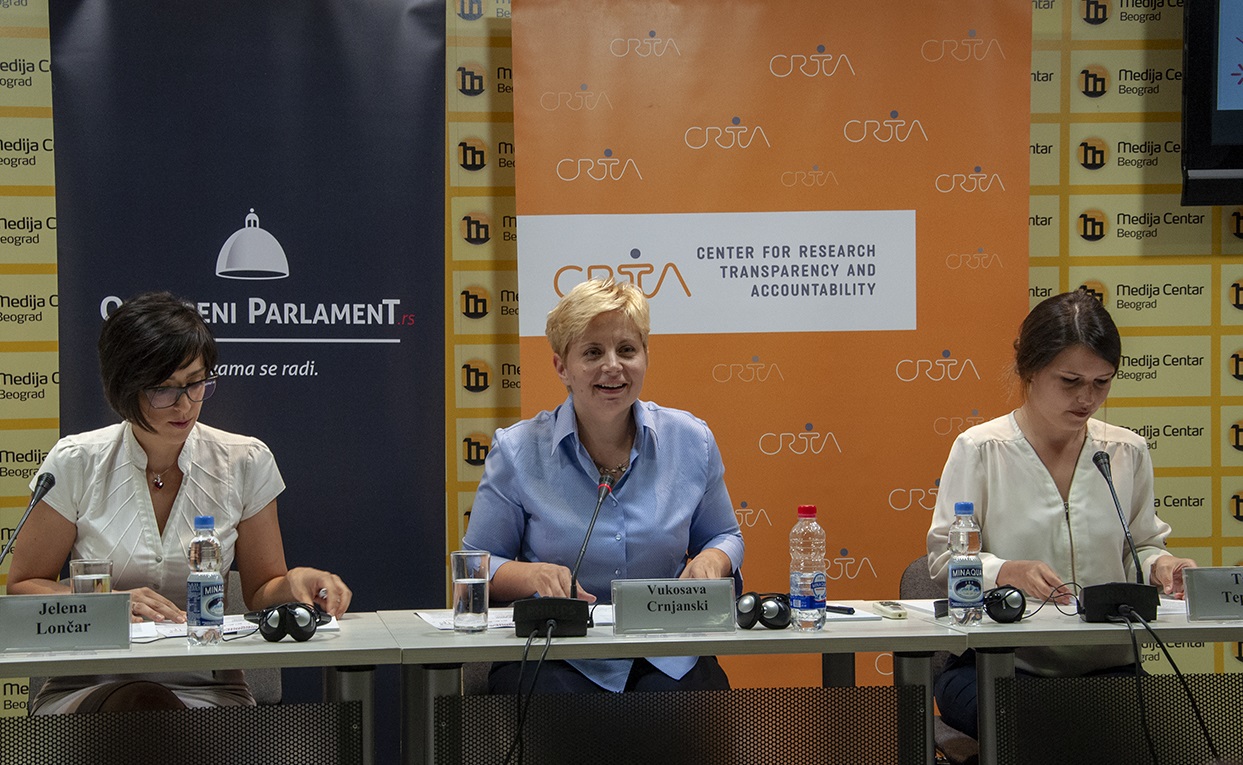
Civil society organisations urge the Committee for Culture and Information of the National Assembly to withdraw a requirement from calls to the parliamentary groups regarding nominations of candidates for the election of the new Commissioner for Information of Public Importance Personal Data Protection, which forbids that the candidate be employed in another state body at the time of proposing for the function, as that is not stipulated by law.
Latest Updates
Since June 2012, Open Parliament informs citizens on the work of the National Assembly of the Republic of Serbia, monitors MPs activities and events in the Assembly. In seven years, 1057 laws were adopted in 682 working days in the plenary which were analysed, more than 250,000 MPs speeches were published, almost 300 law abstracts, over 30 surveys on parliamentary processes and the work of the Assembly, and more than 900 citizens questions were collected.
The Anti-Corruption Law which was adopted today does not allow curbing of public resources abuse and the prevention of public officials’ campaign, and is in fact yet another missed opportunity to improve legal framework for the conduct of the elections is Serbia, assessed the organisation CRTA.
The Regulatory Authority of Electronic Media issued an order requiring its employees to pay more attention to the processing of personal data, and to take all technical, personnel and organisational measures necessary to protect the data from unauthorised access, disclosure and any other misuse, as it was stated in the letter sent by the REM on March 19th to the Commissioner for Information of Public Importance and Data Protection. As stated in the letter, the order was forwarded to the executive director, general secretary and to all chiefs of services in the REM.
Following its systematic observation of the elections in previous three years, CRTA developed 60 detailed recommendations for improvement of electoral conditions, also available on the gradjaninastrazi.rs website. At the conference, CRTA presented the recommendations which could influence improvements if addressed by the 2020 elections and which enjoy the greatest citizen support.
“It is necessary to open up institutions and leaders for potential dialogues with young people who are eager for change and advancements, while the growing apathy among future generations can be overcome by education and information“, this is the conclusion of a panel discussion “Two angles – is there a dialogue between us?” held during the final event and the diploma awarding ceremony to the third generation of students of the Academy for Democracy organised by the CRTA with the support of the OSCE Mission to Serbia.
Civil society organisations warn that is has been three months since the mandate of the former Commissioner Rodoljub Šabić expired. The competent Culture and Information Committee of the Assembly has not yet initiated the process of selection of the new Commissioner for Information of Public Importance and Personal Data Protection. The process of selecting a new commissioner should begin without delay as this is in the best interests of citizens, institutions, the state and of the rule of law in general.
CRTA presented recommendations for improvement of electoral conditions by 2020 at the conference held on March 25, 2019 at the Media Center Belgrade. Following its systematic observation of the elections in previous three years, CRTA developed 60 detailed recommendations for improvement of electoral conditions, also available on the gradjaninastrazi.rs website. At the conference, CRTA presented the recommendations which could influence improvements if addressed by the 2020 elections and which enjoy the greatest citizen support.
The organisation Crta launched a campaign “I want a Commissioner, not a yes-man!”, in order to draw attention to the fact that the process of selection of the Commissioner should be initiated and that the criteria of transparency, openness and integrity must be respected. Besides, the citizens should be informed about the identity of the potential candidates for the function, so that the new Commissioner could continue to perform their duties as an independent professional entity.